
ABOUT KUDU

Founded in a UCLA classroom. Used at research universities ever since.

Kudu was built by two academics who wanted courseware that fit the courses they teach. A decade later, it serves tens of thousands of students across UCLA, UC San Diego, and other research universities — and is still built by the people who teach with it.

How Kudu started

Kudu started as one professor's frustration. In 2016, Alex Kusenko was teaching introductory physics at UCLA — and watching his students pay over two hundred dollars a semester for a textbook that didn't fit the course, a homework platform that lived in a separate app, and a clicker that required yet another login. Three accounts, three bills, none of them talking to each other.

He thought there should be one tool that did all of it, designed by someone who had taught the class. He partnered with Warren Essey — a UCLA physicist who had trained as an engineer at Google — to build it. The first Kudu course shipped in physics that year. Faculty word of mouth carried it to chemistry, then astronomy, then humanities.

Today Kudu is used at UCLA, UC San Diego, and other research universities, across physics, chemistry, biology, economics, history, comparative literature, political science, and more. What's stayed the same since the first course is who we work for: the professor in the classroom, and the student in the seat.

THE FOUNDERS

Two academics. One question they wouldn’t let go of.

Kudu was founded by two people who still build the company together. One of them still teaches with it every term.

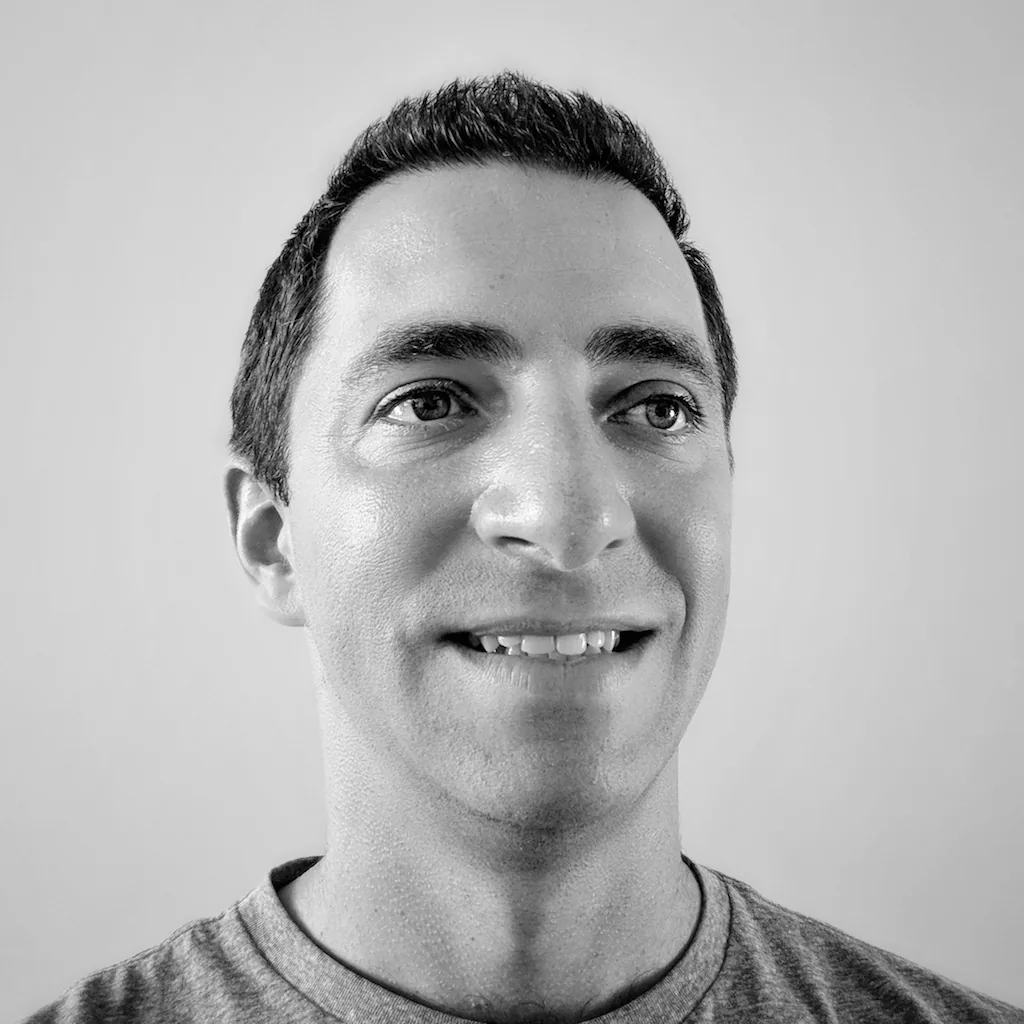
Dr. Warren Essey, CO-FOUNDER & CEO

Dr. Warren Essey

CO-FOUNDER & CEO

Warren is, at heart, an educator. He earned his PhD in physics from UCLA, where his research applied machine learning to particle astrophysics — and built the first version of Kudu while he was still on campus, in support of a course he was helping teach. He has been refining the platform alongside faculty ever since.

Between his doctorate and Kudu, Warren trained as a software engineer at Google, where he learned to build systems thousands of people depend on every day. He brings that engineering rigor to a product that, for him, has always been about teaching first.

PhD, UCLA PhysicsEngineer, Googlewarren@kudu.com
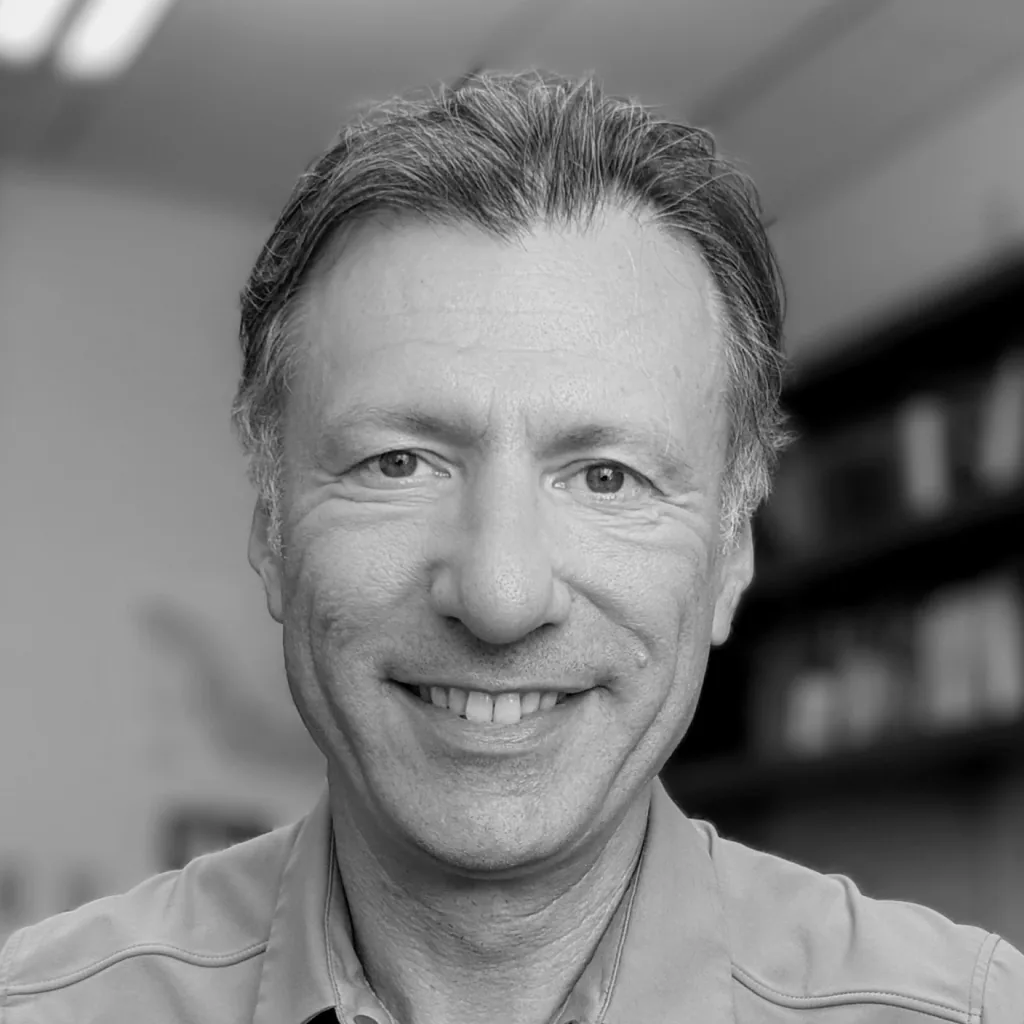
Prof. Alexander Kusenko, CO-FOUNDER & ACADEMIC LEAD

Prof. Alexander Kusenko

CO-FOUNDER & ACADEMIC LEAD

Alex is a co-founder of Kudu and Professor of Physics & Astronomy at UCLA. He is a theoretical physicist working at the intersection of particle physics, cosmology, and astrophysics. Over more than two decades at UCLA, his research has spanned dark matter, neutrino physics, primordial black holes, and the physics of the early universe — and he has trained generations of graduate students and postdoctoral researchers, many of whom now hold faculty positions of their own.

Alex still teaches with Kudu every term, which keeps the company honest about what classrooms need. As academic co-founder, he sets the pedagogical direction of the platform and works directly with the faculty who build courses on it.

Professor, UCLA Physics & AstronomyParticle astrophysics & cosmologykusenko@kudu.com

A DECADE IN

Built and used with research universities.

Kudu has been deployed in classrooms continuously since 2016. Its content is co-developed with academic partners — never licensed from publishers — and its effects on learning have been independently studied.

10+

years in continuous classroom deployment

30+

campuses at scale

8+

subject families covered

Tens of thousands

of students using Kudu

USED AT

UCLA
UC San Diego
Cal State
OpenStaxOFFICIAL PARTNER

Independently studied by UCLA's Center for Education Innovation and Learning in the Sciences. Findings published in Lu, Supriya, Shaked, Simmons, & Kusenko, Phys. Rev. Phys. Educ. Res. (2025).

Read the research

See what a course on Kudu looks like.

The fastest way to understand the platform is to spend a few minutes inside it. Try a free course in your subject — no credit card, no sales call.

Free for instructors · Faculty keep their copyright · No data sold, ever